English
“The more that you read, the more things you will know. The more that you learn, the more places you will go.”
(Dr Seuss)
English at St John’s Junior School
Intent
At St John’s Junior School, we believe that a high-quality English curriculum is fundamental to unlocking a child’s potential across every area of learning and in life beyond school. Our intent is to inspire a genuine, lifelong love of reading, writing, and spoken language, enabling all pupils to become fluent readers and confident, articulate writers.
Our curriculum is built around three complementary, evidence-informed approaches—Little Wandle Phonics, Little Wandle Fluency and Pathways to Write—carefully sequenced from Year 3 to Year 6 so that pupils:
Embed phonics rapidly so they can decode fluently and read for meaning and pleasure.
Develop deep comprehension skills, critical thinking, and a rich, ambitious vocabulary through exposure to diverse authors, themes, and high-quality texts.
Master key grammatical, punctuation, and compositional skills progressively, revisiting and building upon prior learning.
Write with clear purpose and audience awareness across a wide range of fiction, non-fiction, and poetry genres.
Implementation
Phonics & Early Reading (Little Wandle Letters and Sounds Revised) In Lower Key Stage 2, systematic synthetic phonics is taught through Little Wandle Letters and Sounds Revised. Lessons follow a consistent, rigorous structure that builds secure grapheme-phoneme correspondence, blending, and segmenting skills. Pupils apply their phonics knowledge in small-group reading practice sessions using fully decodable books matched precisely to their secure phonic stage—developing decoding, prosody (expression), and comprehension. Any child who needs extra support receives rapid, targeted keep-up sessions so no pupil falls behind.
Reading Comprehension - VIPERS In Upper Juniors, whole-class and guided reading sessions focus explicitly on comprehension using VIPERS (Vocabulary, Inference, Prediction, Explanation, Retrieval, and Summarising/Sequencing). Through rich fiction, non-fiction, and poetry extracts, teachers model how to unpick authorial choices, explore new vocabulary in context, and justify answers using evidence from the text. Alongside structured lessons, daily storytime and well-stocked reading corners nurture reading for pleasure across the whole school.
Writing (Pathways to Write) Writing is taught using the Pathways to Write mastery methodology, which anchors every half-termly unit around an inspiring core text and an authentic real-world outcome. Each unit follows a progressive three-stage sequence:
Gateway - Assessment & Hook: An engaging hook immerses pupils in the text, paired with a short writing task to assess prior knowledge and identify individual gaps in grammar and punctuation.
Pathway - Skill Acquisition & Practice: Pupils are explicitly taught new age-related skills (Mastery Keys) through shared writing, modelled examples, oral rehearsal, and short, purposeful writing tasks.
Writeaway - Application & Independence: Pupils plan, draft, edit, and publish an extended piece of writing for a real audience, independently applying both their newly taught Mastery Keys and previously mastered skills (Gateway Keys).
Supporting All Learners & Transcription:
Adaptive Teaching: Scaffolding, visual word banks, oral rehearsal, and targeted adult support ensure pupils with SEND or EAL access the same ambitious texts and achieve success, while greater-depth writers are challenged through Feature Keys to refine authorial voice and stylistic choices.
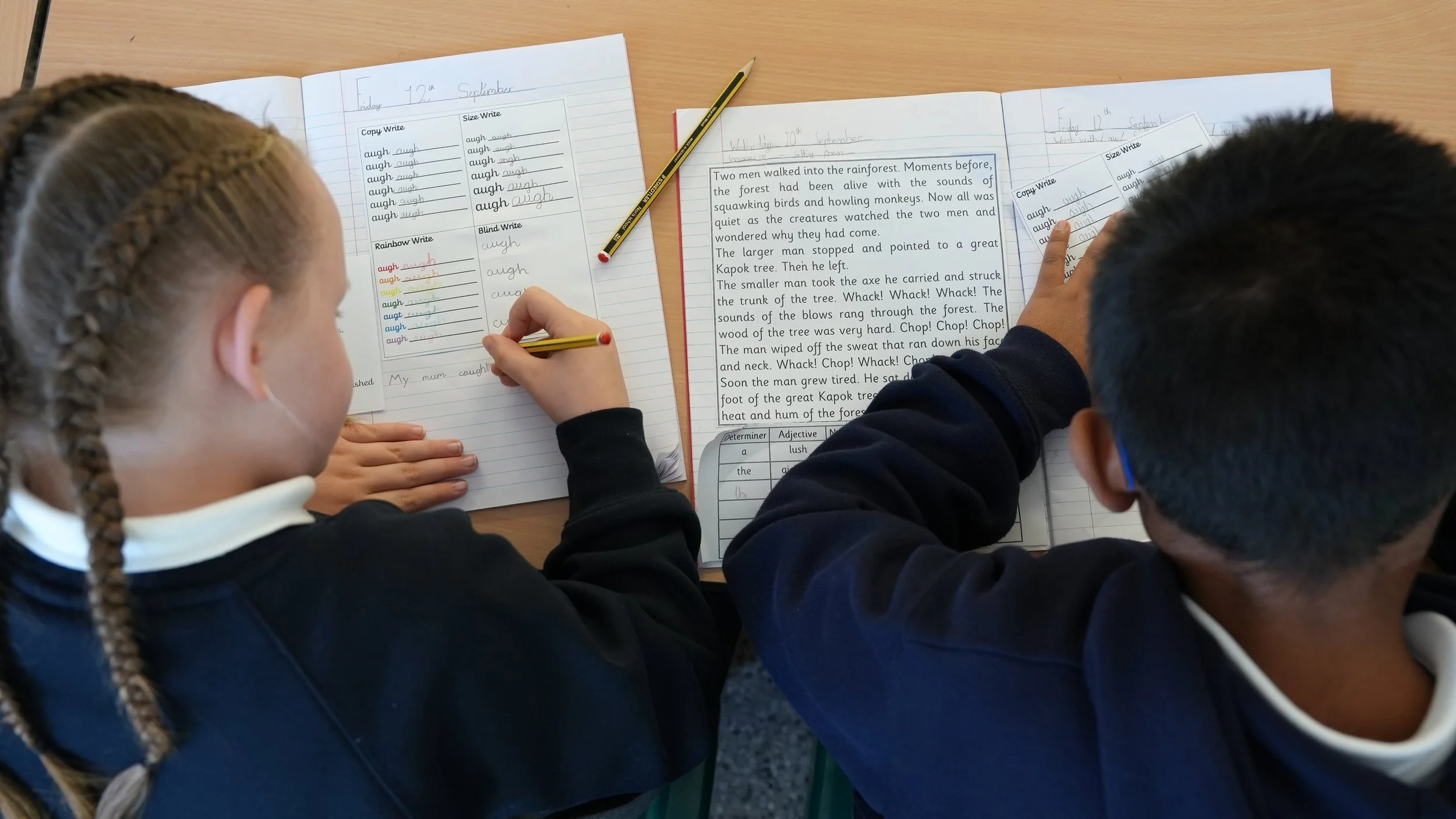
Spelling & Handwriting: Dedicated spelling instruction (building on Little Wandle foundations) and regular handwriting practice run alongside Pathways to Write so pupils develop automaticity in transcription, freeing cognitive load for composition.
Impact
The impact of our English curriculum is measured continuously through phonics assessments, formative reading and writing checks, half-termly independent writing outcomes, pupil voice, and book monitoring. By the time pupils leave St John’s Junior School at the end of Year 6, they are fluent, enthusiastic readers and confident writers who can adapt their voice and style for a range of purposes and audiences.
Specifically, our approach ensures that:
Strong Phonics & Reading Fluency: Following the Year 1 Phonics Screening Check, pupils continue to make strong progress, developing into fluent readers who have a genuine love of books.
Deep Comprehension & Vocabulary: Using VIPERS equips pupils to discuss texts thoughtfully, infer meaning, and articulate well-evidenced opinions.
Sustained Writing Progress: Pupils make strong progress from their individual starting points, transferring Mastery Keys from short-term practice into independent, cross-curricular writing with pride and accuracy.


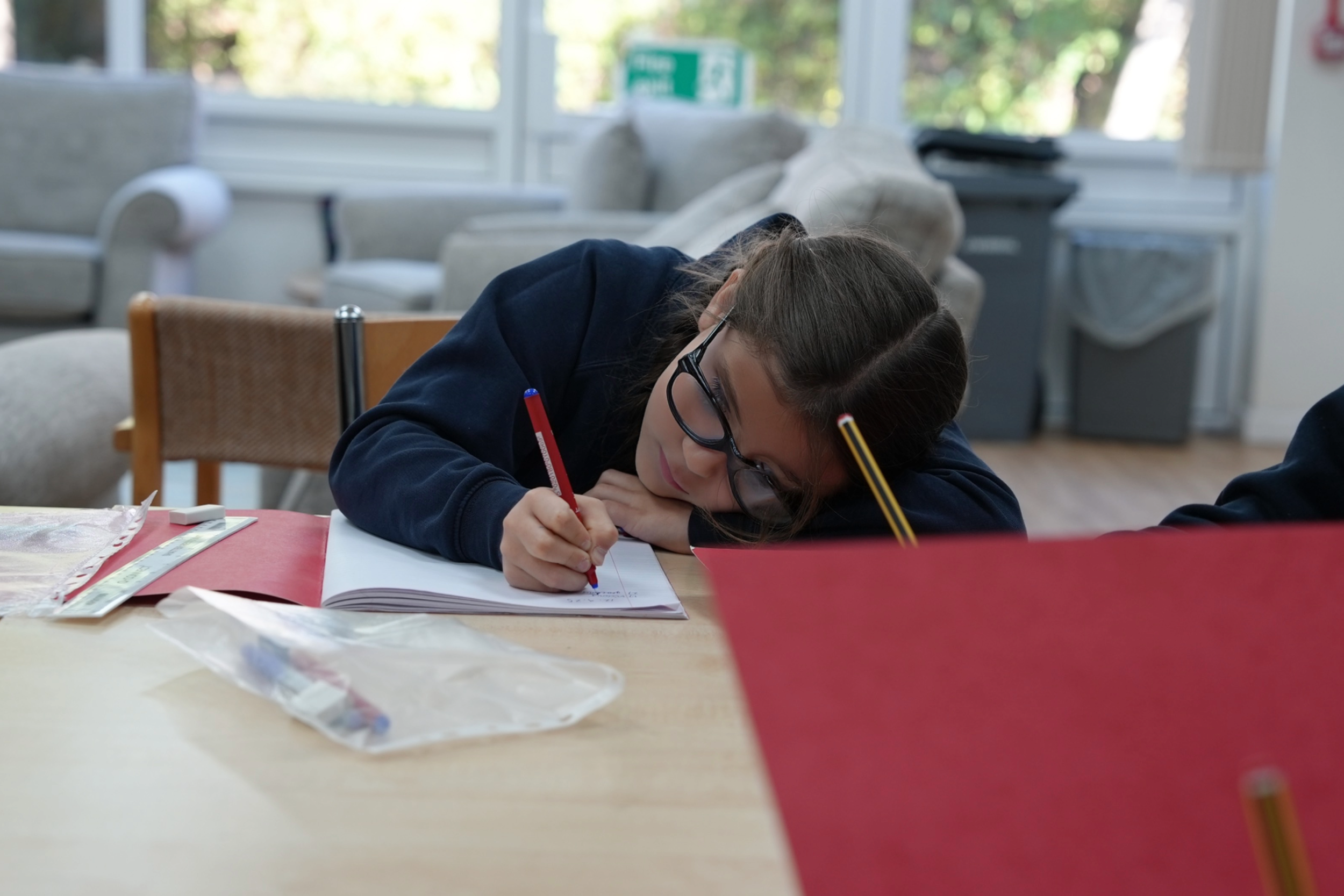

English - Writing
Our English writing curriculum is rooted in high quality texts that are engaging, diverse and inclusive. Year group long term plans may be found here:
o support our writing curriculum, we dedicate specific time within English lessons to practising key foundational skills for transcription and composition, including grammar, spelling, and handwriting. This structure allows us to revisit core concepts daily, encouraging pupils to apply what they have learned across both their English writing and the wider curriculum.
The Writing Process
Our English writing lessons are structured across a sequence of lessons to work on the writing process as a whole:

Grammar and punctuation
Our weekly Grammar and Punctuation lessons are designed to regularly revisit concepts from Key Stage 1 and previous year groups, ensuring foundational skills remain a high priority and are fully embedded. Alongside this, dedicated weekly sessions introduce and reinforce year-group-specific objectives throughout the year. Children then apply these discrete skills in context during their main writing lessons, developing a clear understanding of how grammatical knowledge supports effective writing. By placing a daily emphasis on checking and refining grammar and punctuation, we encourage pupils to become critical, reflective thinkers about their own work.
Handwriting
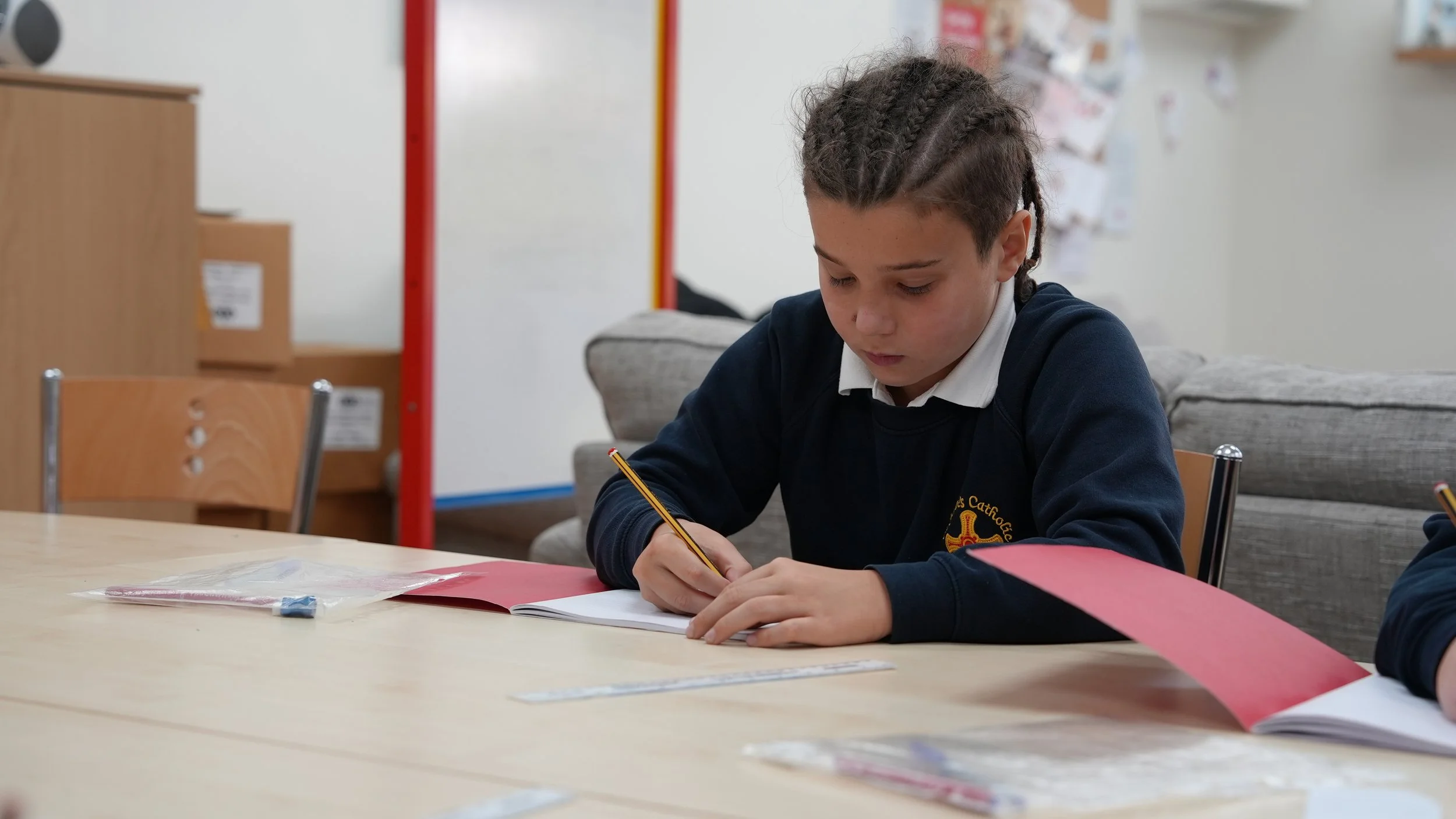
As an essential component of transcription, handwriting enables children to write fluently, legibly, and at speed. We encourage pupils to take great pride in the presentation of their work through handwriting practice. Because strong fine motor skills are vital for pencil control, some sessions in Lower Juniors will begin with targeted finger exercises to build hand strength and coordination.
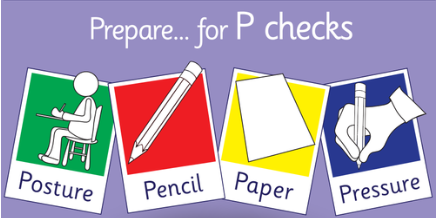
To ensure consistency across the school, we use the Teach Handwriting scheme to support staff in modelling accurate letter formation and joins. Depending on the year group, teachers also demonstrate how to apply specific joins in context within words and sentences. Before writing, children are routinely reminded to prepare using the "P Checks" recommended by the National Handwriting Association.